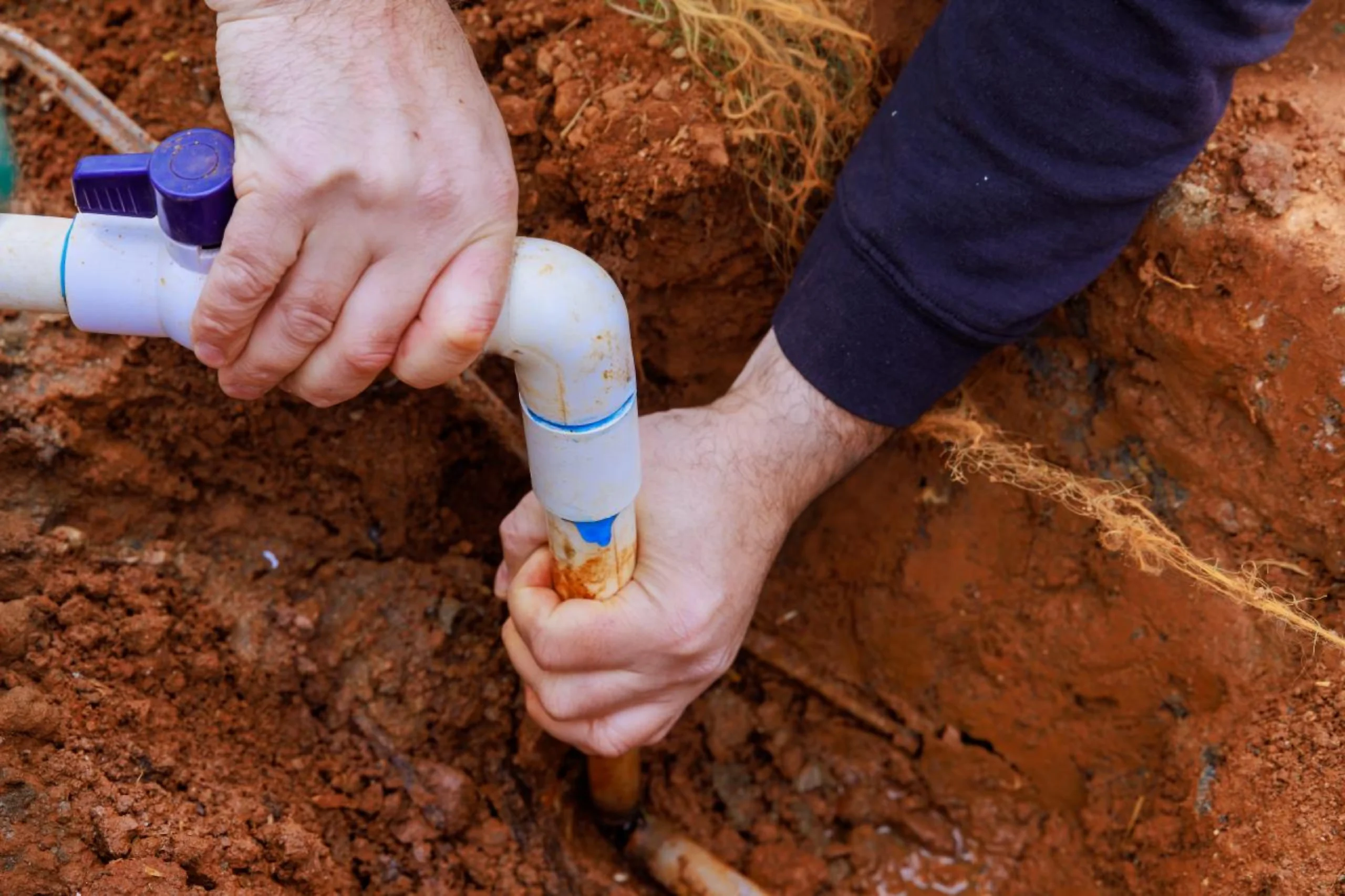
Pump stopped, surging, or running without delivering water? Nash Plumbing & Civil installs, services and repairs water pumps across Emerald QLD and the Central Highlands. We work on pressure pumps, bore pumps, rainwater tank pumps, sump and stormwater pumps, booster sets and irrigation transfer pumps for homes, farms and commercial sites. Our licensed plumbers diagnose the fault first, explain what failed and why, then repair the pump or replace it with one correctly sized for the job.
A pump is sized by matching three figures: the flow you need (litres per minute), the head it must overcome (the vertical lift plus friction loss in the pipework), and the water source it draws from.
| Pump Type | Typical Use Around Emerald | Notes |
|---|---|---|
| Pressure pumps | Homes and small commercial sites on tank or bore supply | Maintain steady pressure to taps, showers and appliances |
| Bore pumps (submersible) | Rural properties and irrigation bores across the Central Highlands | Sized to bore depth, yield and water quality |
| Rainwater tank pumps | Tank-to-house supply with mains top-up | Needs correct changeover and backflow protection |
| Booster pumps | Two-storey homes, units, low-pressure mains areas | Lifts pressure where mains supply falls short |
| Sump and stormwater pumps | Low-lying yards, basements, pits and workshops | Float-controlled, built for solids and surface water |
| Transfer pumps | Moving water between tanks, dams and troughs | Common on farms and larger rural blocks |
| Irrigation pumps | Lawns, gardens, paddocks and landscaped commercial sites | Matched to sprinkler zones or drip line demand |
| Commercial booster sets | Multi-level buildings, accommodation, depots and workshops | Duty/standby arrangements keep supply running if one pump fails |
| What You Notice | Likely Cause | What We Do |
|---|---|---|
| Pump clicks on and off every few seconds | Waterlogged pressure tank, failed bladder, or a small leak somewhere in the line | Test tank pre-charge, check for leaks, replace the tank or switch |
| Pump runs but no water comes out | Lost prime, blocked inlet, air lock or dry-running damage | Re-prime, clear the inlet, inspect the impeller and seals |
| Water pressure drops across the property | Worn impeller, scaled pipework, blocked filter or undersized pump | Measure flow and pressure, clean or replace parts, resize if needed |
| Pump hums but won't start | Seized impeller, failed capacitor or burnt motor | Isolate, test, then repair or replace the unit |
| Pump keeps tripping the breaker | Electrical fault, overload or water inside the motor | Shut it down safely and coordinate a licensed electrician |
| Pump never switches off | Float or pressure switch failure, or a leak downstream | Test controls, locate the leak, replace the failed component |
| Sump or stormwater pit won't empty | Stuck float, blocked impeller or a pump too small for the inflow | Clear debris, replace the float, upsize if required |
| Grinding, rattling or a burning smell | Worn bearings, debris in the pump or overheating motor | Turn it off immediately and call us |
| Situation | Usually Best Option |
|---|---|
| Failed pressure switch, capacitor or float switch | Repair |
| Waterlogged pressure tank | Repair (replace tank) |
| Worn seals or a leaking pump head | Repair on newer pumps, replace on older ones |
| Scaled or clogged impeller | Repair (clean or replace impeller) |
| Burnt-out motor on an older pump | Replace |
| Cracked pump housing | Replace |
| Pump repeatedly failing in the same way | Replace and fix the underlying cause |
| Demand has grown beyond the pump's capacity | Replace with a correctly sized unit |
Pumps should be inspected at least once a year, and every six months where they run on bore water or carry heavy loads.
Regular servicing catches wear before it becomes a breakdown.
| Pump Type | Suggested Service Interval |
|---|---|
| Household pressure pumps (tank water) | Every 12 months |
| Bore and dam pumps | Every 6–12 months |
| Rainwater changeover systems | Every 12 months |
| Sump and stormwater pumps | Before every wet season |
| Commercial booster sets | Every 6 months, or per site schedule |
| Irrigation pumps | Before and after the irrigation season |
A pump service typically includes checking pressure and flow, testing switches and controls, inspecting seals and fittings, cleaning strainers and filters, checking the pressure tank pre-charge and looking for early signs of scale or wear.
Simple checks you can do between services:
not a call centre that books you in for "first thing tomorrow"
alongside residential work, so we understand trading pressure and compliance obligations
carrying stock for the majority of common emergency repairs
before any work starts
of Central Highlands conditions clay soil movement, bore water corrosion, and ageing infrastructure common to Emerald properties
to gas and electrical-adjacent emergencies
A reliable pump keeps water flowing to your home, farm or business without drama. If yours is failing, or if you're planning a new installation, Nash Plumbing & Civil can inspect it, explain what's needed and get it working properly.
Call 0413 638 020 or email admin@nashplumbingandcivil.com.au to arrange pump installation and repairs in Emerald, Blackwater, Capella, Springsure and across the Central Highlands.