Nash Plumbing

Hydro Jet Drain Cleaning Emerald

Nash Plumbing & Civil runs high-pressure drain jetting across Emerald, Blackwater, Springsure, Capella and the wider Central Highlands, on residential sewer lines, stormwater systems and commercial grease traps alike.

What Is Hydro Jet Drain Cleaning?

Hydro jet drain cleaning, sometimes called drain jetting, jet blasting or high-pressure water jetting, uses a purpose-built pump to force water through a nozzle at very high pressure, typically between 3000 and 4000 PSI, down through a flexible hose inserted into the pipe. The nozzle sprays water backward and forward as it's drawn through the line, which propels the hose forward while simultaneously cutting through blockages and stripping build-up off the pipe wall.

Repair vs Replacement: What Hydro Jetting Can and Can't Fix

Situation Hydro Jet Drain Cleaning Pipe Repair or Relining Needed
Tree roots grown into an otherwise sound pipe Yes — clears roots and restores flow Only if roots have cracked or displaced the joint
Grease, fat or soap scum build-up Yes — hot water jetting dissolves and flushes it No
Compacted silt or sludge after storms Yes — cold water jetting clears it fully No
Cracked pipe or damaged joint No — jetting alone won't fix structural damage Yes — pipe relining or section replacement required
Collapsed pipe section No — jetting can worsen a collapsed line Yes — excavation or relining required
Recurring blockage from ageing, brittle earthenware pipe Temporary relief only Long-term fix is relining or replacement
If the camera shows the pipe itself is damaged rather than just blocked, we’ll explain what’s going on and talk you through pipe relining or repair options before any further work goes ahead.

Cold Water vs Hot Water Drain Jetting

Method Best For Typical Use
Cold water jetting Tree roots, silt, general debris, stormwater lines Most residential sewer and stormwater blockages in Emerald
Hot water hydro jetting Grease, fat, soap scum, trade waste Commercial kitchens, cafés, food outlets, floor wastes
Cold water jetting handles the majority of domestic blockages efficiently, and setup is quicker on standard residential lines. Hot water hydro jetting is reserved for grease-heavy commercial lines where heat is needed to actually break the fat down rather than compress it further along the pipe.

When Hydro Jetting Is the Right Call

01

Recurring blockages

the same drain has blocked more than once in the past six to twelve months

02

Tree root intrusion

roots have entered the line through a cracked joint or aging earthenware pipe

03

Grease and fat build-up

kitchen drains, floor wastes or commercial grease traps that slow down repeatedly

04

Multiple slow fixtures

several sinks, showers or toilets draining slowly at the same time, pointing to a main line issue

05

Persistent bad odours

smells coming from drains that don't clear after a basic flush

06

Pre-purchase or pre-sale drain maintenance

clearing the system as part of preparing a property for sale or settlement

07

Post-storm debris

silt, grit and organic matter washed into stormwater or sewer lines after heavy Central Highlands rain

Equipment We Use

Nash Plumbing & Civil runs commercial-grade hydro jetting equipment capable of both cold and hot water jetting at pressures suited to residential and commercial pipe diameters. This is paired with drain camera equipment for pre- and post-jetting inspection, so every job is diagnosed and confirmed rather than guessed at. Using the right pressure and nozzle for the pipe material matters, particularly on Emerald’s mix of newer PVC and older earthenware and galvanised lines, where the wrong setting risks damaging an already-compromised pipe.

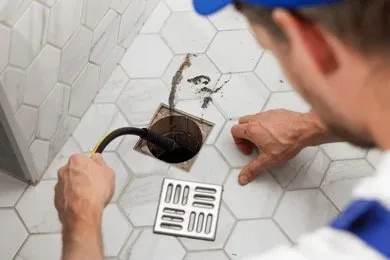
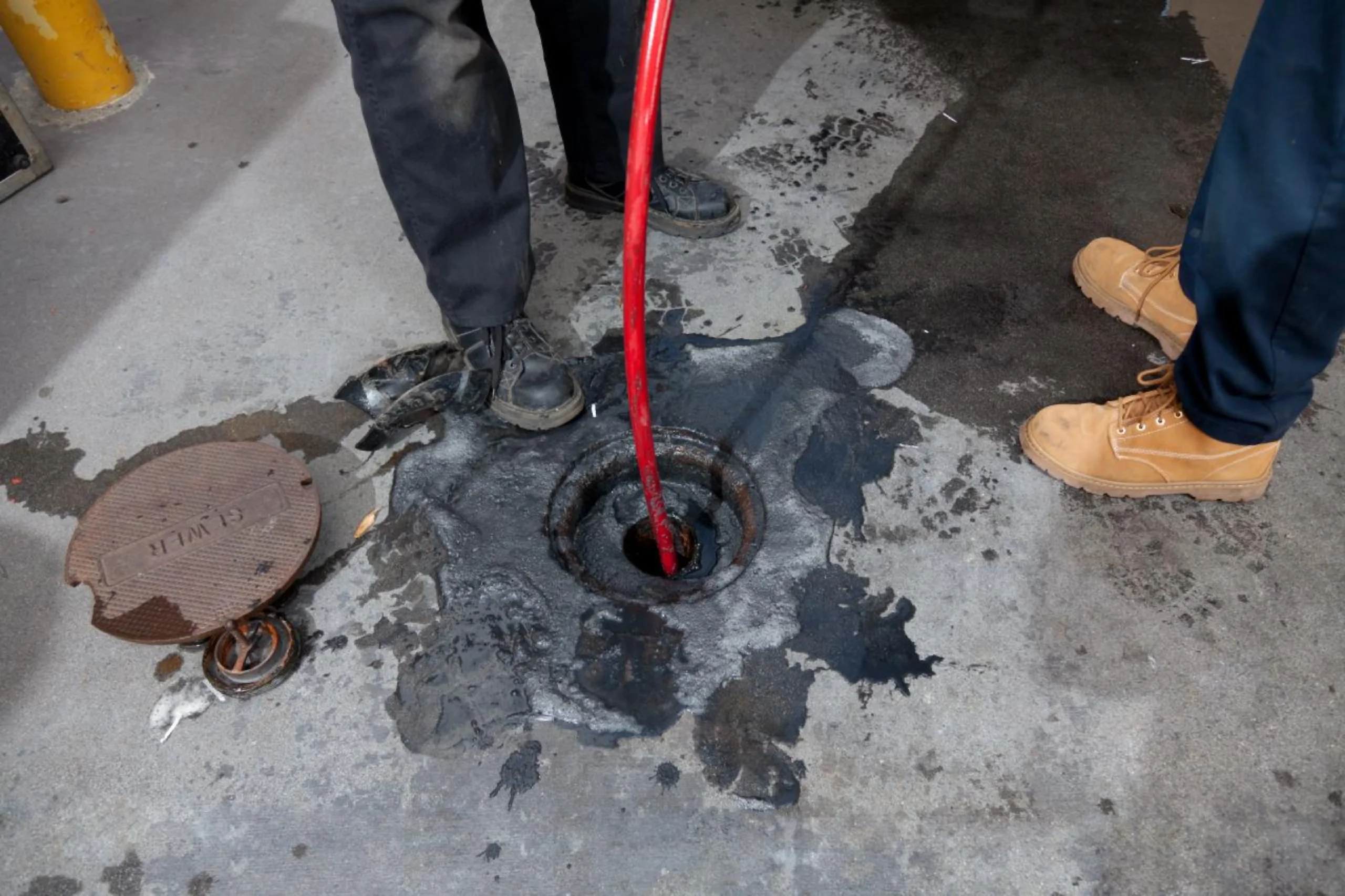
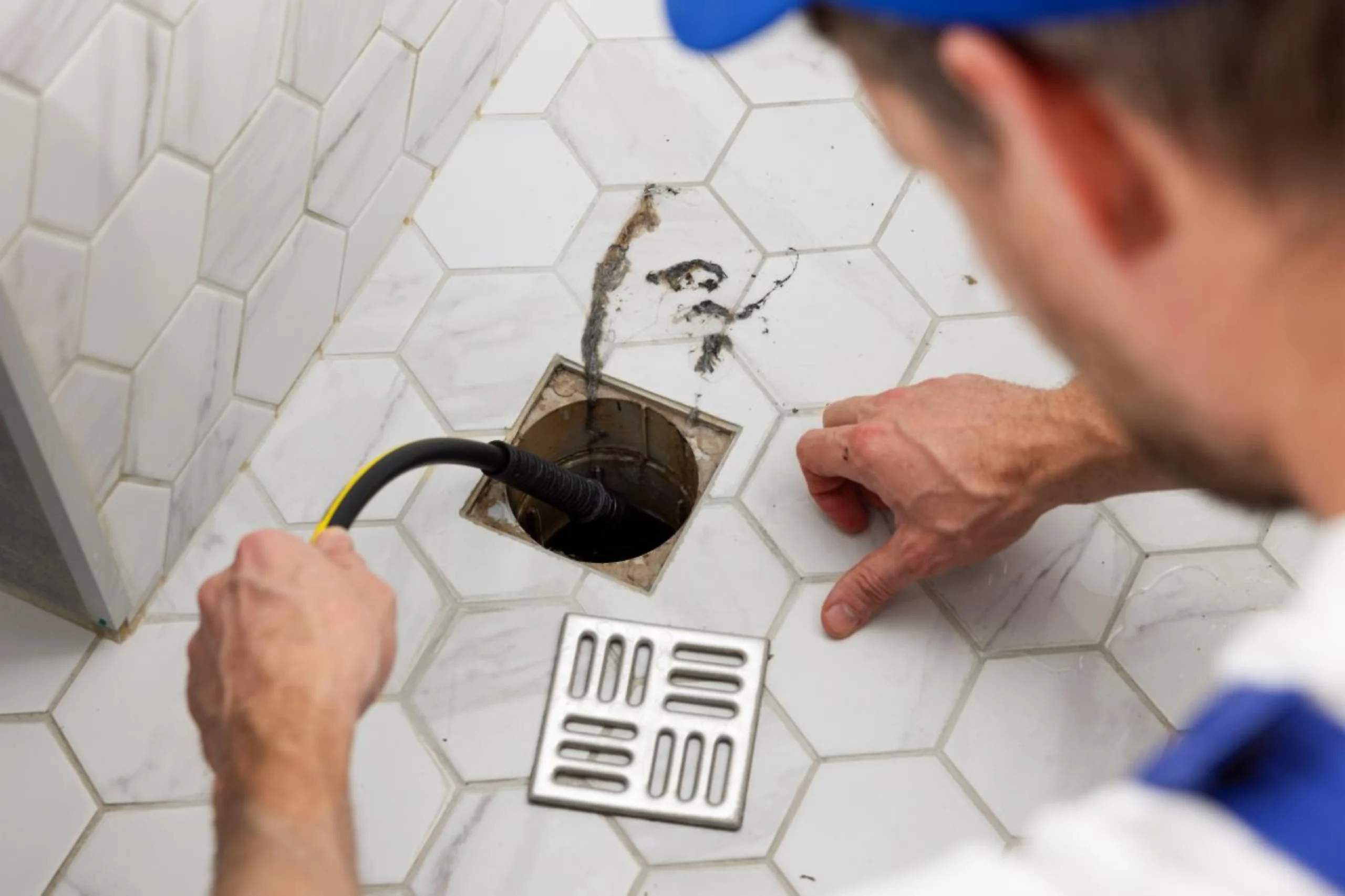
Plumber feeding a high-pressure hydro jetting hose into an open bathroom shower floor drain to clear hair and sludge blockage.

Warning Signs You Need Hydro Jet Drain Cleaning

01

Drains that gurgle or drain slowly even after a basic clear

02

The same fixture blocking again within a few months

03

Water backing up in a different fixture when you run another (for example, the shower backs up when the washing machine drains)

04

Persistent sewage or musty odours around drains or the yard

05

Visible tree root growth near sewer lines or a sunken patch of lawn above the pipe run

06

Slow-draining kitchen sink in a commercial setting despite regular cleaning

How Our Hydro Jet Drain Cleaning Process Works

01

CCTV Camera Inspection.

Before the jetter goes anywhere near the pipe, we run a drain camera through the line where the blockage cause isn't obvious. This confirms exactly what we're dealing with, root intrusion, grease, silt or a genuinely collapsed section, and tells us whether jetting is even appropriate. Jetting a pipe that's already cracked or collapsed can make the damage worse, so this step isn't optional on older or unknown lines.
02

Nozzle Selection and Pressure Setting.

We ask a few quick questions to understand severity and, where it's safe Different blockages need different nozzles. A root-cutting nozzle for tree intrusion is a different tool to a flushing nozzle used for grease or silt. Pipe diameter and material also affect the pressure setting we use, PVC, earthenware and older galvanised lines don't all take the same treatment.to do so, talk you through immediate steps like isolating your water or gas supply.
03

High-Pressure Water Jetting.

The hose is fed into the pipe and the jetter is engaged. High-pressure drain jetting cuts through the blockage while the reverse-facing jets scour the pipe wall clean as the hose is drawn back out. Cold water jetting handles most root intrusion, silt and general blockages. For heavy grease and fat build-up in kitchen lines, hot water hydro jetting is more effective, as heat breaks the fat down rather than just pushing it further along the pipe.
04

Post-Jetting Camera Check.

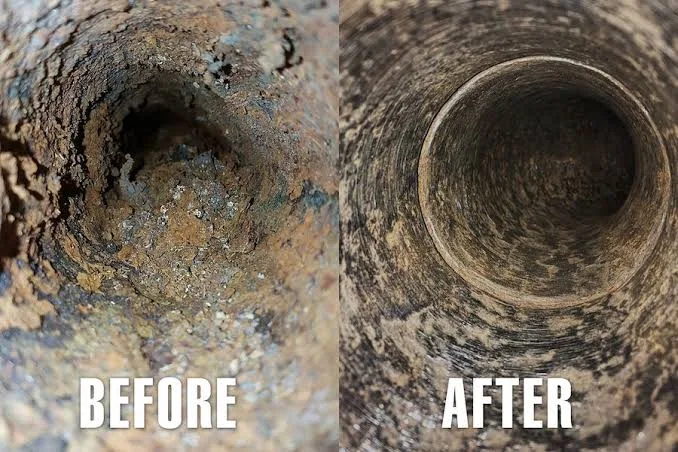
Once the line has been jetted, we run the camera through again to confirm the blockage is fully cleared and check the pipe condition downstream. This also flags anything that's likely to become a future problem, a cracked joint, a root entry point, or a section that's starting to sag, before it turns into another call-out.
Maintenance

Preventative Maintenance: How Often Should Drains Be Jetted?

#

How often should drains be hydro jetted?

For most residential properties on newer PVC pipework, hydro jetting isn't needed on a fixed schedule, it's used when a blockage occurs or recurs. For older properties with earthenware or galvanised lines, or homes with established trees near the sewer run, a preventative jet every twelve to twenty-four months keeps root growth and scale from building into a full blockage. Commercial kitchens producing consistent trade waste generally need hot water jetting every three to six months, depending on volume.

#

Scheduling a jet before it becomes an emergency call-out is almost always the cheaper option. A blocked drain that backs up into a home on a weekend costs more to fix than a booked maintenance jet on a weekday.
Why Choose Us
EMERGENCY SERVICE
24/7
Available now for urgent callouts
Frequently Asked Questions

What causes a blocked drain that keeps coming back?
Recurring blockages are usually caused by tree roots growing into pipe joints, grease and scale build-up narrowing the pipe over time, or a structural issue like a sagging or partly collapsed section trapping debris. A CCTV inspection identifies which of these is happening before further work goes ahead.
It depends on pipe condition. A sound earthenware, PVC or galvanised line handles high-pressure drain jetting without issue. If the pipe is already cracked, corroded or has a collapsed section, jetting can make the damage worse, which is why we run a camera inspection first on any older or unknown line.
A standard residential job typically takes one to two hours, including the camera inspection before and after jetting. Longer pipe runs, severe root intrusion, or commercial grease trap lines can take longer.
No. Jetting clears blockages inside an otherwise intact pipe, it doesn’t repair structural damage. If the camera shows a collapsed or badly cracked section, pipe relining or section replacement is needed before the line can be jetted or returned to service.
Cost depends on pipe access, length of run, severity of the blockage and whether hot or cold water jetting is required. Residential jobs are generally more straightforward than commercial grease trap or trade waste lines. We provide a clear quote after assessing the job, before any work begins.
An electric eel punches a channel through a blockage without removing the material coating the pipe. Hydro jetting physically strips the pipe wall clean and flushes the debris out of the system, which is why jetted lines generally stay clear for longer than lines cleared with an eel alone.
On any drain with an unknown or recurring blockage, yes. It confirms the cause, checks pipe condition, and avoids jetting a line that actually needs structural repair rather than clearing.

Why Choose Nash Plumbing & Civil

Nash Plumbing & Civil services Emerald, Blackwater, Springsure, Capella and the surrounding Central Highlands with hydro jet drain cleaning built around a camera-first process, so you know exactly what's happening in the pipe before any work starts. We run cold and hot water jetting for residential, commercial and industrial lines, backed by local knowledge of how Emerald's clay soils, bore water and ageing pipework affect drain performance. Every job is quoted clearly and communicated straightforwardly from inspection through to the final check.

If your drains keep blocking, call Nash Plumbing & Civil on 0413 638 020 or email admin@nashplumbingandcivil.com.au to book a hydro jet drain cleaning assessment.