Hot Water Systems Emerald Electric, Gas, Solar & Heat Pump
No hot water at 6am in Emerald is a problem that doesn't wait. Whether your electric cylinder has stopped heating, your gas system is short-cycling, or your solar boost isn't kicking in during a run of overcast days
Hot Water Systems Emerald
We work on all major brands and system types, and we size every installation to the property, the household, and Emerald's climate and bore water conditions. If you're chasing a same-day repair or comparing systems before a full replacement, this page covers what you need to decide with confidence.
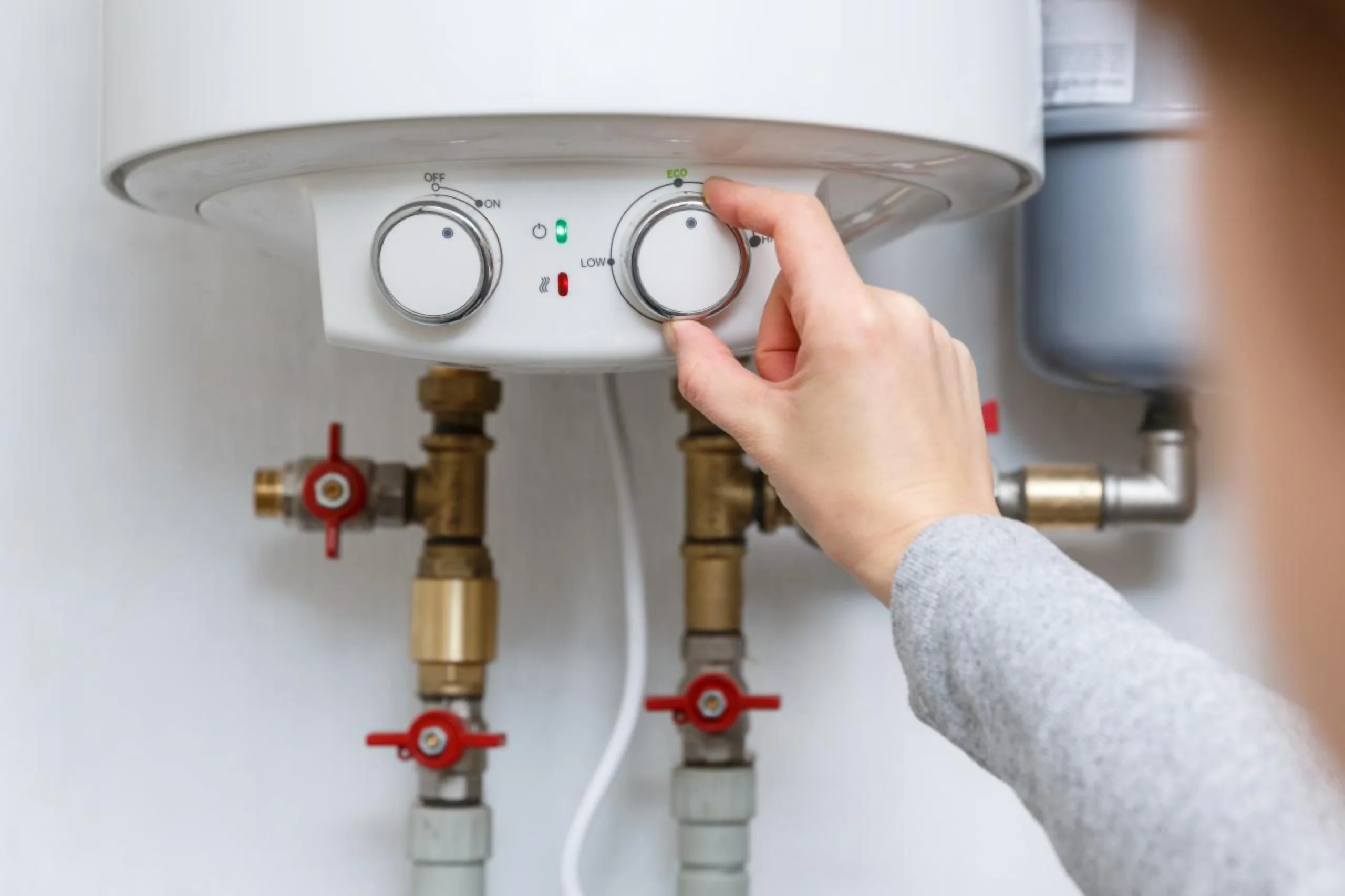
What Type of Hot Water System Do You Need?
| System Type | Running Cost | Upfront Cost | Best For | Lifespan |
|---|---|---|---|---|
| Electric | Highest ongoing cost | Lowest upfront | Renters, small households, backup systems | 8–12 years |
| Gas (Continuous Flow) | Moderate, efficient | Moderate | Families, properties on mains or LPG gas | 10–15 years |
| Solar | Lowest ongoing cost | Highest upfront (rebates apply) | Emerald's high sun hours, long-term savings | 10–20 years (tank), 15+ (panels) |
| Heat Pump | Low running cost | Moderate–high | Energy-conscious households, all-climate use | 10–15 years |
Solar Hot Water Systems
What is a solar hot water system? A solar system uses roof-mounted collector panels to heat water directly or heat a transfer fluid, storing the heated water in an insulated tank, with electric or gas boost for overcast periods.
Reactive clay soils
across Emerald expand when wet and contract hard during dry spells. That constant movement puts pressure on underground joints and can fracture fittings without warning often showing up as a sudden wet patch on a slab or a drop in water pressure with no visible leak above ground.
Bore water mineral content
common in rural and semi-rural Central Highlands properties accelerates internal corrosion in older galvanised pipework and can cause valve and washer failures faster than in mains-fed metro properties.
Ageing infrastructure
on older commercial and residential sites, particularly galvanised steel runs installed before the 1980s, is now well past its realistic service life and prone to sudden pinhole leaks or full ruptures under pressure.
Wet season storm loading
overwhelms stormwater and sewer systems that aren't sized or maintained for peak flow, which is when we see the highest volume of overflow and backup calls.
Given Emerald’s climate, solar hot water is one of the strongest long-term investments available for local homeowners. The upfront cost is higher, but government rebates and Small-scale Technology Certificates (STCs) reduce the net installation cost, and the ongoing savings compound over the system’s lifespan.
We install both split systems (tank at ground level, panels on roof) and close-coupled systems (tank mounted on the roof with panels), and advise on which suits your roof structure and household hot water demand.
Electric Hot Water Systems
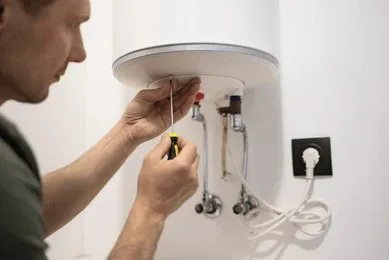
What it is: An electric hot water system heats water in an insulated storage tank using one or two internal elements, similar to a large kettle.
Electric systems remain the most common choice for rental properties and smaller Emerald homes because they’re the cheapest to install and don’t require a gas connection. The trade-off is higher running costs, particularly during peak electricity periods.
- Common electric system faults we attend to:
- Failed heating element (no hot water, or water runs lukewarm)
- Tripped thermostat or faulty temperature/pressure relief (TPR) valve
- Tank corrosion and pinhole leaks
- Sacrificial anode fully depleted, accelerating tank wear
- Circuit or wiring faults tripping the safety switch
Gas Hot Water Systems
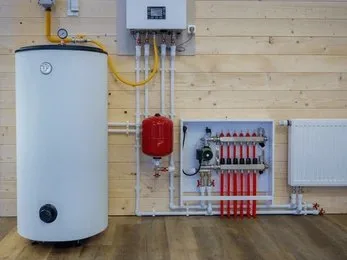
What it is: Gas systems either store and heat water in a tank (storage gas) or heat water on demand as it passes through the unit (continuous flow, also called instantaneous).
Continuous flow gas systems are popular with larger Emerald households because they don’t run out of hot water — the unit heats water as you use it rather than drawing down a tank. They’re also more compact, which suits properties with limited space.
- Signs your gas hot water system needs attention:
- Pilot light won't stay lit or keeps extinguishing
- Water temperature fluctuates during use
- Unit makes a delayed ignition "bang" on startup
- Visible rust or scale build-up around the burner assembly
- Gas smell near the unit — treat this as an emergency and turn off the gas supply immediately
Heat Pump Hot Water Systems
What is a heat pump hot water system? A heat pump extracts heat from the surrounding air and uses it to heat water in a storage tank, using significantly less electricity than a standard electric element.
Heat pumps suit Emerald properties without suitable roof orientation for solar, or where a solar retrofit isn’t practical. They run efficiently across most of the year in this climate and can be a genuine alternative to solar for households wanting lower running costs without roof-mounted panels.
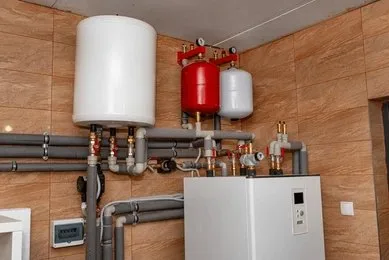
Emergency Hot Water Failures
What should I do if my hot water system is leaking? Turn off the water supply to the unit at the isolation valve, switch off the power (electric) or gas supply to the system, and call a licensed plumber. Don’t attempt to drain or move a gas or electric unit yourself.
A full tank failure can release well over a hundred litres of water quickly, which causes real damage to flooring, walls, and stored belongings if it’s not isolated fast. We treat total hot water loss and active leaks as priority callouts across Emerald and the Central Highlands.
- Before we arrive:
- Isolate the water supply to the unit if it's safe to reach
- Switch off power at the switchboard or gas at the meter if there's any smell of gas or visible sparking
- Move anything stored near the unit away from water pooling
- Take a photo of the fault or leak if possible — it helps us bring the right parts on the first visit
Bore Water, Scale, and System Lifespan in Emerald
Properties on bore water across parts of Emerald and the Central Highlands tend to see faster mineral scale build-up inside hot water tanks and on heating elements than properties on treated mains supply. This shows up as reduced heating efficiency, popping noises from sediment, and shorter element life in electric systems.
We factor this into system recommendations for bore water properties — this may include more frequent anode checks, tank flushing schedules, or system types that handle mineral content better.
- Maintenance Tips to Extend System Life
- Have the sacrificial anode checked every 12 months — this component corrodes so your tank doesn't
- Flush storage tanks annually to clear sediment, more often on bore water
- Check the TPR valve operates freely — a stuck valve is a safety issue, not just a maintenance one
- Keep solar panels clear of dust and debris for consistent heating performance
- Don't set thermostat temperatures higher than needed — it accelerates wear and increases running cost
Our Installation and Repair Process
Assessment
System sizing
Quote and options
Installation or repair
Handover
Repair and clean-up.
We fix the issue to Queensland plumbing code, test it, and leave the site clean.
Why Choose Nash Plumbing & Civil
Genuine 24/7 availability
Licensed plumbers and gas fitters covering Emerald and the Central Highlands
Commercial and industrial experience
Experience across residential, commercial, and rural properties, including bore water systems
Fully licensed plumbers
We work on electric, gas, solar, and heat pump systems — one call covers every option
Straight answers on pricing
Transparent, written quotes before work begins
Fast response
Fast response for hot water emergencies
Freqently Asked Questions
What is the best hot water system for Emerald QLD?
How long does a hot water system installation take?
A straight swap of an existing system typically takes half a day. Installations requiring new pipework, gas flueing, electrical upgrades, or solar panel mounting can take a full day or longer, depending on site access and complexity.
Can a hot water system be repaired instead of replaced?
How much does hot water system repair cost?
What should I do if I have no hot water?
Do solar hot water systems work during Emerald's wet season?
Get Your Hot Water System Sorted
If your hot water system is leaking, failing, or simply due for an upgrade, contact Nash Plumbing & Civil for a straightforward assessment and written quote. We service Emerald and the wider Central Highlands region, with fast response for urgent hot water failures.
Call Nash Plumbing & Civil today to book an assessment or emergency repair.