
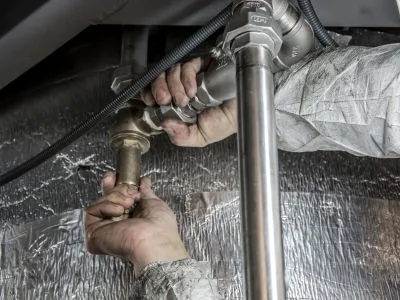
If your water bill has jumped for no obvious reason, or you’ve noticed a damp patch that won’t dry out, there’s a good chance you have a hidden leak. The trouble is that the pipe doing the damage is usually inside a wall, under a slab or buried in the yard where you can’t see it. That’s where professional plumber water leak detection comes in.
At Nash Plumbing & Civil, we’re often called out to homes, farms and businesses around Emerald, Queensland where someone has been chasing a leak for weeks. Guesswork usually ends with holes in walls or a dug-up garden in the wrong spot. A proper detection process finds the leak first, so repairs are targeted, cleaner and cheaper.
This guide explains how plumbers find hidden water leaks, what tools and methods we use, the warning signs worth acting on, and what it means for Emerald properties in particular. You’ll also find a simple meter test you can do yourself today, and some straight advice on when it’s time to call a licensed plumber.
Why Hidden Water Leaks Are a Bigger Problem Than They Look
A dripping tap is annoying but easy to spot. A hidden leak is different because it can run for months before anyone notices. By then the damage often extends well beyond the pipe.
Here’s what an undetected leak can do:
- Push your water bill up without any change in how you use water
- Damage building materials, including plasterboard, timber framing, flooring and cabinetry
- Cause mould and musty air, which is a health concern in humid weather
- Undermine foundations and slabs, particularly in reactive soils
- Attract termites and pests, which love moisture
- Create safety risks when water gets near electrical wiring or fittings
Warning: If water is leaking near a switchboard, power point or light fitting, turn off the power at the main switch (only if it’s safe to reach) and call an emergency plumber straight away. Don’t touch anything wet that’s connected to electricity.
Many leaks start small. A pinhole in a copper pipe, a failing joint or a cracked poly fitting might only lose a little water at first. Over time that small loss turns into a serious repair, which is why early detection matters.
Common Signs You May Have a Hidden Leak
You don’t need specialist equipment to notice that something is off. These are the signs we hear about most often from Emerald customers.
Signs Inside the Home or Building
- A water bill that’s higher than usual with no explanation
- Water meter still moving when everything is turned off
- Damp, stained or bubbling paint on walls and ceilings
- Warped skirting boards, lifting floorboards or buckling tiles
- A musty smell, especially in cupboards or behind furniture
- The sound of running water when nothing is on
- A warm spot on the floor, which can point to a leaking hot water line
- Cracks in walls or tiles that are new or getting bigger
Signs Outside the Property
- Soggy or unusually green patches of lawn when it hasn’t rained
- Pooling water near the meter, along a pipe run or by the house slab
- Sinkholes or soft ground near driveways and paths
- Low water pressure across the property
- Tank levels dropping faster than usual on rural properties
Tip: One sign on its own doesn’t always mean a leak. Two or three together, or a sign that keeps coming back, is a good reason to book a leak check.
How Plumbers Find Hidden Leaks: The Methods We Use
No single tool finds every leak. The best result comes from choosing the right method for the pipe type, the location and what the symptoms are telling us. Here’s how it works in practice.
Visual Inspection and Questions
Every job starts with a conversation and a walk-through. We ask when you first noticed the problem, whether the bill has changed and where you’ve seen damp or staining. Then we inspect fixtures, hot water systems, tapware, toilets, exposed pipework and the meter.
Plenty of leaks are found at this stage. A weeping tempering valve, a cracked flexi hose or a toilet that’s silently running into the pan can all look like a “hidden” leak until someone checks properly.
Water Meter and Isolation Testing
Using your meter as a starting point, we isolate sections of the plumbing one at a time and watch how the meter responds. This helps us work out whether the leak is:
- On the mains supply before it reaches the house
- On the cold water side or the hot water side
- Inside the building or in an outside line
Isolation testing narrows down the search area before we use any specialist gear.
Acoustic (Listening) Leak Detection
Pressurised water escaping from a pipe makes a distinctive sound. Acoustic detection uses sensitive microphones and ground sensors to pick up that noise through floors, walls and soil.
We move along the suspected pipe run and listen for where the sound is loudest. It’s particularly useful for:
- Buried water mains and service lines
- Pipes under concrete slabs
- Long underground runs on rural and commercial sites
Background noise from traffic, machinery or wind can interfere, so experience in interpreting what we’re hearing matters a great deal.
Thermal Imaging
A thermal camera shows temperature differences on a surface. Water leaking from a hot water line often creates a warmer area, while a cold water leak can create a cooler, damp patch. This lets us see moisture patterns behind walls and ceilings without opening them up.
Thermal imaging is helpful for:
- Ceiling stains where the source is unclear
- Leaks behind tiled walls
- Hot water pipes in slabs
- Checking the extent of moisture once a leak is found
It points us to the likely area rather than giving a final answer, so we usually confirm with a second method.
Moisture Meters
A moisture meter measures how wet a material is. We use it to map the spread of damp in walls, floors and timber, and to confirm whether an area is actively wet or has dried out. It’s also useful afterwards to make sure the structure is drying properly.
Pressure Testing
In pressure testing, we isolate a section of pipe, bring it up to a set pressure and watch the gauge. If the pressure drops, there’s a leak in that section. This is one of the most reliable ways to confirm whether a pipe is sound, and it’s commonly used before and after repairs.
Tracer Gas Detection
For leaks that are difficult to locate by sound, tracer gas can be an option. A harmless gas mix is introduced into the emptied pipe, and a sensitive detector follows the gas as it escapes through the leak point. It’s well suited to hard-to-reach pipes, quiet leaks and pipes under finished floors.
Which Detection Method Is Used When?
Situation | Common Detection Approach | What It Tells Us |
Higher water bill, no visible leak | Meter test and isolation testing | Whether a leak exists and which section it’s in |
Damp patch on a wall or ceiling | Moisture meter and thermal imaging | The extent and likely source of moisture |
Suspected leak under a slab | Acoustic detection, pressure testing, sometimes tracer gas | Approximate leak position before any concrete is cut |
Wet ground in the yard or paddock | Acoustic ground microphones, pressure testing | Location of a buried line leak |
Slow drain, damp ground near sewer line | CCTV camera inspection | Cracks, root intrusion, displaced joints |
Warm area on a floor | Thermal imaging and pressure test on hot line | A leaking hot water pipe |
Hidden Leaks vs Emergency Leaks: When to Call Straight Away
Not every leak needs an after-hours call-out, but some do. Knowing the difference saves stress and protects your property.
Call an Emergency Plumber If:
- A pipe has burst and water is flowing freely
- Water is coming through a ceiling or near electrical fittings
- You can’t isolate the water and it’s flooding an area
- Sewage is backing up or leaking inside
- A hot water system is leaking heavily
This is where our emergency water leak repair and burst pipe repair service comes in.
Book a Standard Leak Check If:
- Your bill has crept up and you suspect a slow leak
- You’ve noticed a persistent damp patch or musty smell
- The meter moves slightly when everything is off
- You’re buying or selling a property and want peace of mind
First step in any leak emergency: Turn off the water at the main isolation valve. Know where it is before you need it. If you can’t find it or it won’t turn, call a plumber immediately.
Common Water Leak Repairs After Detection
Once the source is confirmed, the repair depends on the pipe type, location and condition. Typical solutions include:
- Pipe section replacement for corroded, cracked or damaged copper, poly or PVC lines
- Joint and fitting repairs where connections have failed
- Re-routing a pipe around a slab or inaccessible area when that’s more practical than breaking concrete
- Mains and service line repair for underground leaks between the meter and the building
- Hot water system valve and fitting repairs
- Stormwater and sewer drain repair where underground drainage lines have cracked or collapsed
- Roof water leak repair where leaking gutters, flashings or downpipes are letting water into the building
Our civil team can handle excavation, trenching and reinstatement when a repair needs to go beyond standard plumbing work.
Preventative Maintenance: Reduce Your Risk of Hidden Leaks
You can’t prevent every leak, but a few habits make a real difference.
Leak Prevention Checklist
- Read your water meter every month and note any unexplained jumps
- Know where your main water isolation valve is and test that it turns
- Check under sinks, around the laundry and behind toilets for dampness
- Replace old flexi hoses on taps, toilets and washing machines
- Inspect your hot water system for drips or corrosion around fittings
- Keep trees and large plants away from underground pipes and drains
- Check irrigation lines and stock troughs for constant running or overflows
- Look for new cracks or soft ground after storms or long dry spells
- Book a plumbing inspection if your pipes are old or you’ve had repeated issues
For commercial and strata properties, a regular inspection schedule is a sensible way to catch issues before they affect tenants or operations.
Frequently Asked Questions
How often should I have my plumbing checked in Emerald?
What are the first signs of a plumbing problem?
How do I know if I have a leak under my house or slab?
Is it worth getting my drains cleaned if they aren't blocked?
How long do hot water systems last?
Do businesses in Queensland need backflow testing?
Who do I call for a blocked drain or burst pipe after hours in Emerald?
What's the best time of year to do plumbing maintenance in Emerald?

admin
Author at Nash Plumbing & Civil.