Is your septic tank backing up, your effluent pump alarming, or your block not connected to town sewer? Nash Plumbing & Civil installs, repairs and services septic tanks, aerated wastewater treatment systems (AWTS), effluent pump stations and land application areas across Emerald, QLD and the wider Central Highlands.
A septic and effluent system is an on-site wastewater treatment setup. It collects everything that leaves a building's toilets, showers, kitchen and laundry, separates the solids, breaks the waste down biologically, and disperses the treated liquid (effluent) into the ground or onto a controlled irrigation area.
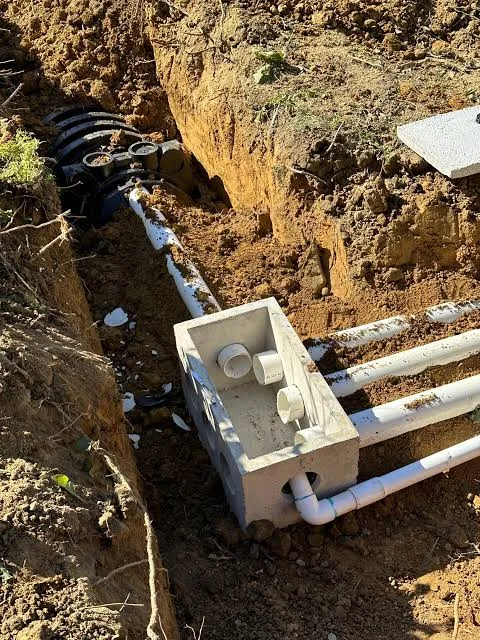
We supply and install septic tanks, AWTS units and effluent pump systems, along with the trenches, ET beds or irrigation lines that go with them. That includes excavation, bedding, tank placement, pipework, electrical coordination, commissioning and a final test before sign-off. If your existing tank has cracked, collapsed or outgrown the household, we replace it and size the new system to the real load.
A blocked or burnt-out pump is one of the most common septic callouts. We test the pump, float switches and control panel, clear or replace the pump, and check the discharge line and non-return valve. Wipes and "flushable" products do most of the damage.
An alarm tells you the pump well is filling before it overflows. We fit and test audible and visual high-level alarms on new and existing systems. It is a cheap upgrade that can prevent an expensive clean-up.
Soggy ground, odours over the paddock, lush green strips or pooling after rain usually point to a failing absorption area. We locate the fault with inspection and excavation, then repair, extend or redesign the area to suit the soil.
Buying, selling or renovating a rural property? We inspect on-site systems and report on condition, access, alarms and obvious compliance gaps, so you know what you are taking on.
Sludge removal is done by licensed liquid waste contractors. We coordinate pump-outs around your repair or inspection so the tank is opened, cleaned, checked and closed in a single visit sequence.
Large, remote and busy sites put more stress on on-site wastewater than a typical home. We work with:
Commercial sites often need larger tanks, grease management, duty/standby pumps, telemetry or alarm monitoring, and a maintenance schedule tied to usage. We plan for peak loads, not average ones, so the system keeps up when occupancy is high.
| Factor | Septic Tank + Trenches | AWTS (Aerated System) | Effluent Pump Station |
|---|---|---|---|
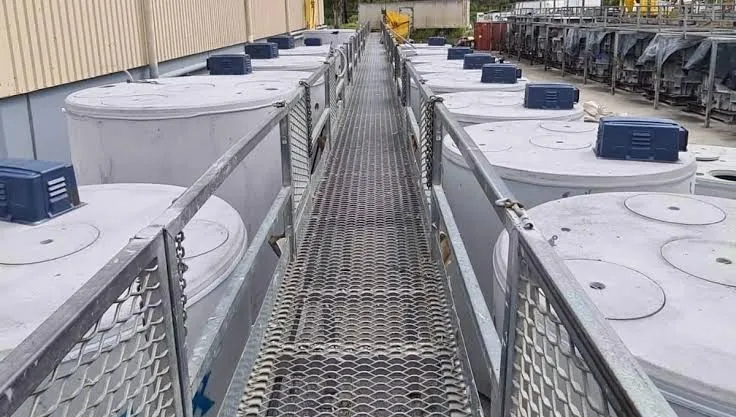
| What it does | Primary treatment, gravity or pumped disposal to trenches | Secondary treatment with aeration, disinfection and irrigation | Lifts effluent from a low point to a disposal area or sewer main |
| Best suited to | Larger blocks with free-draining soil | Smaller or heavier-soil sites, higher loads, sites needing a cleaner effluent | Sloping, low-lying or flat sites where gravity will not work |
| Servicing | Pump-out every few years, annual inspection | Regular scheduled servicing by an authorised provider | Annual pump, float and alarm check |
| Power needed | Usually none (unless pumped) | Yes (blower and pump) | Yes |
| Typical Emerald use | Rural homes, sheds, small workshops | Acreage homes, camps, commercial sites, larger households | Farm houses, depots, shed amenities, accommodation blocks |
| Task | Typical Frequency |
|---|---|
| Visual check of lids, ground and alarms | Monthly |
| Clean outlet filter | As per manufacturer, often every 6–12 months |
| Pump, float and alarm test | Annually |
| Sludge and scum level inspection | Annually |
| Pump-out of septic tank | Generally every few years, based on size and use |
| AWTS service by authorised provider | As required by manufacturer and council, often quarterly |
| Tree root check on lines and trenches | Annually |
Toilets or showers draining slowly, or gurgling when other fixtures run
Sewage odours around the tank, pump well or paddock
Wet, spongy or unusually green ground over the tank or trenches
Effluent surfacing, especially after rain
Pump alarm sounding or lights flashing
Pump running constantly or not running at all
Sewage backing up into floor wastes, showers or toilets
Tank lids cracked, sunken or missing
Bores or dams nearby showing contamination (a serious health risk, call immediately)
Stop using water. That means no showers, washing machine, dishwasher or flushing.
Keep people and animals away from any pooled effluent.
Switch off the pump at the control panel only if it is safe to reach.
Do not pour chemicals or "septic treatments" into the system.
Note the alarm status and take a photo of any surfacing effluent.
Call Nash on 0413 638 020.
not a call centre that books you in for "first thing tomorrow"
alongside residential work, so we understand trading pressure and compliance obligations
carrying stock for the majority of common emergency repairs
before any work starts
of Central Highlands conditions clay soil movement, bore water corrosion, and ageing infrastructure common to Emerald properties
to gas and electrical-adjacent emergencies