
Nash Plumbing

Stormwater Drainage Emerald

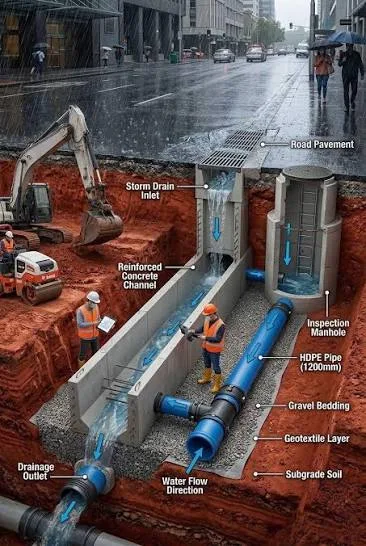
Nash Plumbing & Civil installs, repairs, and clears stormwater drainage systems across Emerald and the Central Highlands, from single stormwater pits on residential blocks through to full site drainage for commercial and rural properties. We work to Queensland Urban Drainage Manual standards and local council requirements, so your system is built to actually cope with the way it rains out here not just to pass a quick inspection.

What causes stormwater drainage problems?

Most stormwater failures in Emerald come down to three things: undersized pipework that was never designed for the volume of rain the region gets, sediment and debris build-up from the area's fine red soil, and pipe damage from ground movement or tree root intrusion.

Repair vs Replacement vs Upgrade

Situation Recommended Approach Typical Timeframe
Minor blockage from silt, leaves, or debris High-pressure jetting to clear the line Same day
Localised root intrusion or a single cracked joint Spot repair or pipe relining 1 day
Widespread pipe collapse or extensive root damage Full pipe replacement 1–2 days
System floods every time it rains heavily Upgrade to larger pipework and additional pits 2–4 days, site dependent
New shed, driveway, or extension changing site drainage New stormwater system design and installation Varies by scope
We’ll always explain which category your job falls into and why, rather than defaulting to the most expensive option. A lot of stormwater issues in Emerald are genuinely a clear-and-jet job, not a full system rebuild.

Signs your stormwater system needs attention Plumbing Failures

01

Water pooling on your driveway, lawn, or paths more than an hour or two after rain stops

02

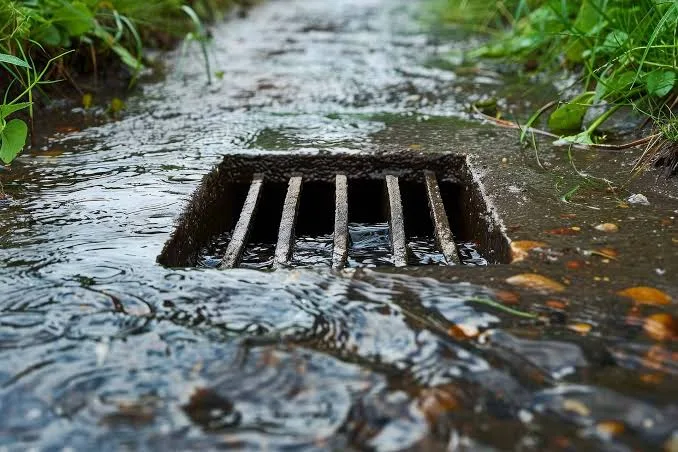
Water backing up out of stormwater pits or grates during a downpour

03

Damp patches near the base of your house or shed after storms

04

Gurgling or bubbling sounds from stormwater pits during rain

05

Visible erosion or subsidence along the line of your stormwater pipe

06

A musty smell around pits, which often means standing water and organic build-up

07

Council notices or building certifier flags relating to inadequate site drainage

Preventative Maintenance

How often should stormwater drains be checked? We recommend inspecting and clearing stormwater pits and pipes at least once a year, ideally before the wet season starts, plus after any major storm event. A five-minute check before December can save a flooded yard in February.

Our Stormwater Drainage Process

01

Site assessment

We walk the property, check existing pits, downpipe connections, and overland flow paths, and identify where water is pooling or backing up.
02

CCTV inspection.

for underground pipework, a camera inspection shows blockages, root intrusion, pipe collapse, or joint separation without digging up your yard first.
03

High-pressure water jetting.

silt, root growth, and debris are cleared from pipes using high-pressure jetting equipment, restoring full flow capacity.
04

Repair or replacement.

depending on what we find, this might mean spot-repairing a section of pipe, relining a damaged length, or replacing pits and pipework that are beyond repair.
05

Regrading and upgrades.

where the system is simply too small for the property, we design and install upgraded pipework and pits sized for Central Highlands rainfall intensity.
06

Compliance check.

New and upgraded systems are installed to meet local council drainage requirements and connected correctly to approved discharge points.
How do plumbers diagnose a stormwater problem? We start by tracing the existing system, checking pit locations, pipe falls, and discharge points, then use a CCTV drain camera where a blockage or structural fault is suspected. This tells us exactly what’s happening underground before we recommend a fix, rather than guessing.

What To Do Before We Arrive

If you're dealing with active flooding or water pooling during a storm:

01

Move vehicles, machinery, and stored items away from low-lying areas

02

Clear visible debris from grates if it's safe to do so

03

Avoid walking through pooled water near electrical points, meter boxes, or power outlets

04

Take a few photos of where water is pooling and backing up — this helps us diagnose the issue faster

05

Note how long after rain the water takes to clear, as this helps distinguish a blockage from an undersized system
Why Choose Us
EMERGENCY SERVICE
24/7
Available now for urgent callouts

Freqently Asked Questions

What causes stormwater drains to overflow in Emerald?
Overflowing usually comes from undersized pipework, silt and debris blocking pits, or root intrusion restricting flow. Emerald’s storm pattern of intense, short-duration rainfall exposes systems that were only ever designed for gentler, steadier rain.
Cost depends on the scope a straightforward jetting and clear is far less than replacing a collapsed pipe or upgrading an undersized system. We provide a fixed, written quote after inspecting the site, so you know the cost before any work starts.
In most cases, yes. High-pressure water jetting clears silt, root growth, and debris through existing access points. Digging is generally only needed where a pipe has physically collapsed or a section needs replacing.
New stormwater connections, upgrades, and site drainage changes generally need to meet local council standards, and some work requires formal approval. We handle compliant installation and can advise on what your specific job requires.
Stormwater carries rainwater and surface runoff away from your property to an approved discharge point. Sewer carries wastewater from toilets, sinks, and drains to the sewer network or septic system. The two systems must never be cross-connected; doing so is both illegal and a serious health and environmental risk.
Yes. Roots seek out moisture and will grow into small gaps at pipe joints, especially in older earthenware or lightly cracked pipe. Once inside, root mass builds quickly and restricts flow until it eventually blocks the pipe entirely.

Why Choose Nash Plumbing & Civil

Nash Plumbing & Civil is based in Emerald and works stormwater drainage jobs across the Central Highlands every wet season, not just when it rains hard. We understand how reactive clay soil, tree root growth, and short, intense storms affect drainage systems out here, and we design and repair accordingly not with a generic, one-size-fits-all approach.

We use CCTV camera inspection and high-pressure jetting equipment to diagnose problems accurately before recommending a fix, so you're not paying for guesswork. Every quote is fixed and explained upfront, our repairs meet council drainage standards, and we back our workmanship with reliable, long-term results.