
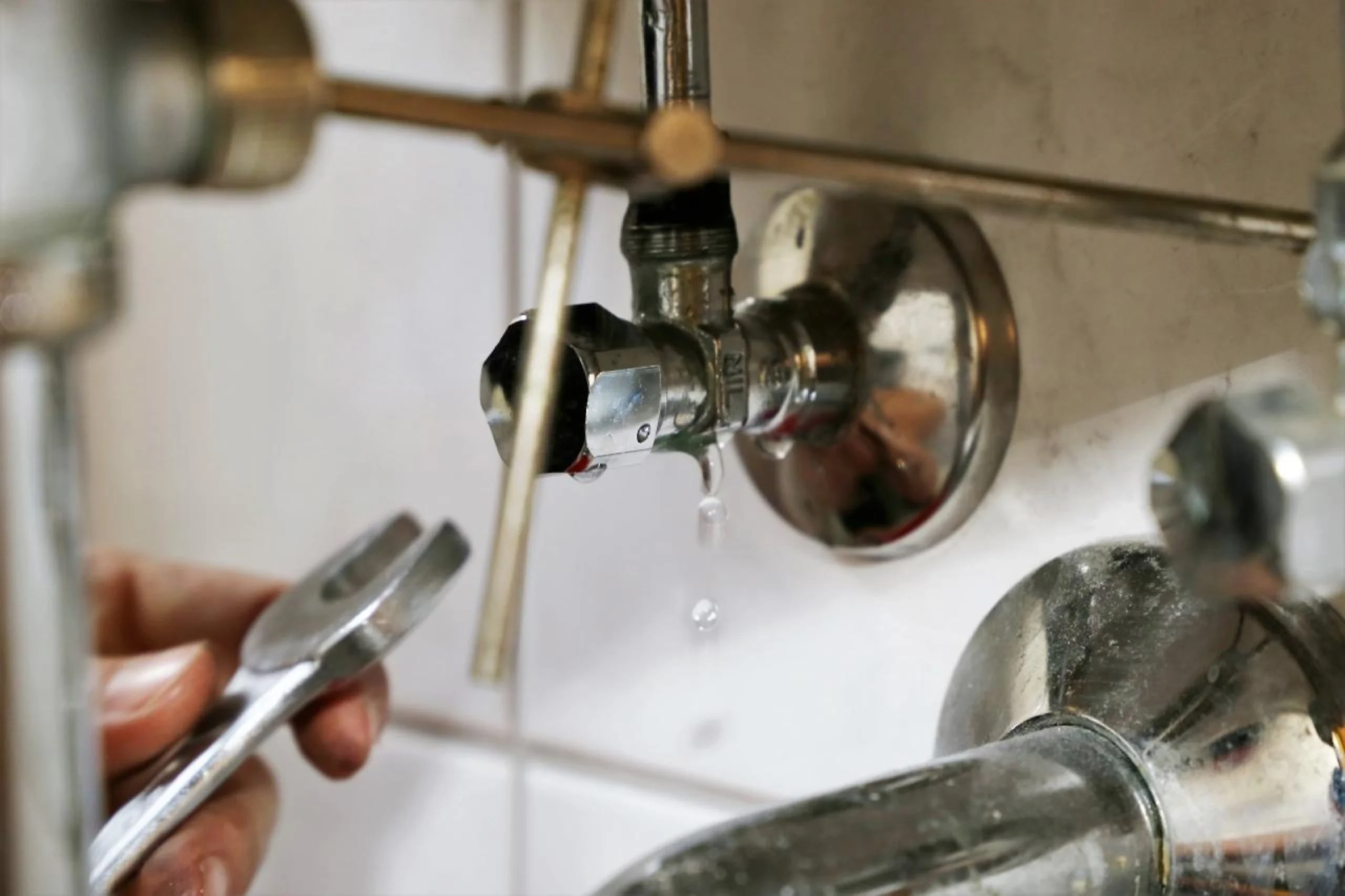
Leaking Tap Repairs & Leak Detection
A dripping tap does more than keep you up at night. Left alone, it wastes hundreds of litres of water a year, drives up your water bill, and often points to a bigger problem building inside your pipework. Nash Plumbing & Civil repairs leaking taps and locates hidden water leaks across Emerald, Blackwater, Springsure, Capella and the wider Central Highlands region, using proper diagnostic methods rather than guesswork.
Whether it’s a single tap dripping in the laundry or a leak you can hear but can’t find, our licensed plumbers get to the cause and fix it properly the first time.
How We Repair a Leaking Tap
- Inspection — We check the tap type, condition, and water pressure to identify exactly what’s failing.
- Isolate the water supply — The relevant supply line is shut off before any work begins, so the rest of the property isn’t affected.
- Disassemble the tap — The handle, cartridge or spindle, and washer are removed for inspection.
- Replace worn components — Washers, O-rings, valve seats, or cartridges are replaced with quality parts matched to your tap.
- Reseat or resurface the valve seat — If the seat itself is corroded or pitted, it’s reseated or resurfaced so the new washer seals properly.
- Reassemble and pressure test — The tap is rebuilt and tested under normal water pressure to confirm the leak is gone.
- Final check — We check nearby fittings and the supply line for any secondary leaks before finishing the job.
Signs You Need a Tap Repaired
Book a repair if you notice:
- A constant or intermittent drip from the spout
- Water leaking from around the tap handle when in use
- A tap that’s difficult to turn on or off, or feels loose
- Water pooling at the base of the tap or in the cupboard below
- A noticeable rise in your water bill with no clear explanation
- Squeaking, screeching, or banging noises when the tap is used
Repair vs Replacement
Factor | Repair | Replacement |
Tap age | Under 10 years | Over 10–15 years, or discontinued model |
Condition of tap body | No cracks or corrosion | Visible corrosion, cracking, or pitting |
Leak history | First or second leak | Repeated leaks despite previous repairs |
Cost | Lower upfront cost | Higher upfront cost, better long-term value |
Parts availability | Washers/cartridges readily available | Obsolete parts, no longer manufactured |
Water efficiency | Depends on original fitting | Opportunity to upgrade to WELS-rated tapware |
How Do Plumbers Detect Hidden Water Leaks?
- Water meter testing — isolating the property and watching the meter to confirm whether a leak exists and roughly how significant it is
- Acoustic listening equipment — sensitive listening devices that pick up the sound of water escaping under pressure through concrete, soil, or wall cavities
- Pressure testing — isolating sections of pipework to narrow down which line is affected
- Dye testing — for suspected leaks around showers, baths, and waterproofing membranes
Signs You May Have a Hidden Water Leak
- A water bill that’s noticeably higher with no change in usage
- A damp, soft, or discoloured patch on flooring, walls, or ceilings
- The sound of running water when every tap is off
- A water meter that keeps ticking over when nothing is using water
- Unusually lush or soggy patches of lawn or garden
- Cracking in walls or an uneven, soft feeling in the slab
- A musty smell that won’t go away, particularly in a specific area of the house
Cost Factors for Tap Repairs and Leak Detection
The cost of a leaking tap repair or a leak detection job depends on a few things:
- Type and age of the tap — a standard compression tap is generally quicker and cheaper to repair than a discontinued mixer tap needing a specific cartridge
- Accessibility — a leak under a slab or behind tiled walls takes longer to pinpoint than an exposed pipe
- Extent of the leak — a single dripping tap is a straightforward job; a leak affecting the whole property’s pressure is more involved
- Time of service — after-hours and emergency callouts carry a different rate to standard business hours
- Follow-up repair work — leak detection locates the leak; if excavation, wall access, or pipe replacement is then needed, that’s quoted separately once the location is confirmed
FAQs
How do plumbers find a hidden water leak ?
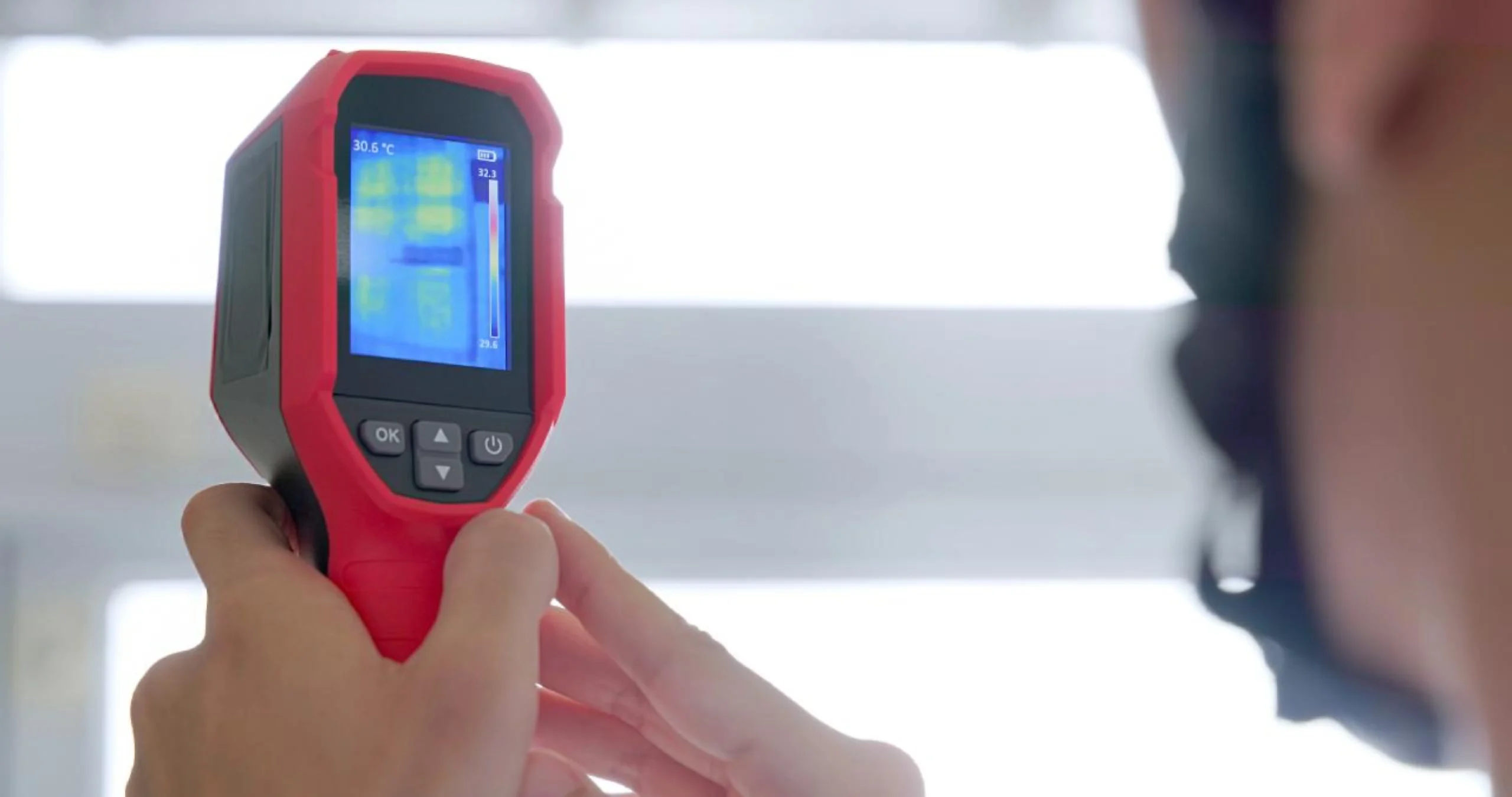
Plumbers use water meter testing, acoustic listening equipment, thermal imaging, to pinpoint a hidden leak’s location before any excavation or wall opening takes place.
Ready to Get Started?
Contact us today for a free quote on Leaking Tap Repairs & Leak Detection services.